The beauty of Indian ethnic wear is often concealed within its intricate designs. Each stitch narrates a story of culture, history, and generations of craft skills, seamlessly blended for occasions ranging from weddings to everyday wear. Punjab is renowned for its vibrant thread work, while Lucknow is celebrated for its exquisite shadow work. Understanding the differences in styling is crucial.
1) Chikankari (Lucknow, Uttar Pradesh)
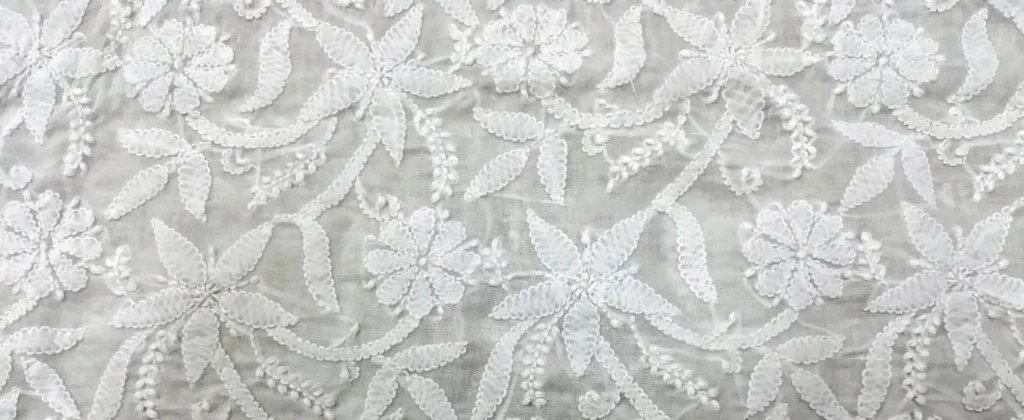
The term “chikankari” originated in Lucknow (UP). If any embroidery can be described as poetry, it is Chikankari.
Vibe:
This hand embroidery is exceptionally sophisticated, tracing its roots back to the Mughal era. It serves as a beautiful representation of Lucknow.
Technique:
Primarily featuring white thread work on soft pastel fabrics, Chikankari employs over 32 different stitches.
Features: Bakhiya (Shadow Work)
The stitching is performed on the reverse side of the fabric, creating a shadow effect on the front. It showcases a shadow work appearance with fine jalli (netting) on lightweight fabric, making it ideal for everyday chic. It is perfect for summer wear, elegant daytime events, and parties.
2) Zari (Zardori)
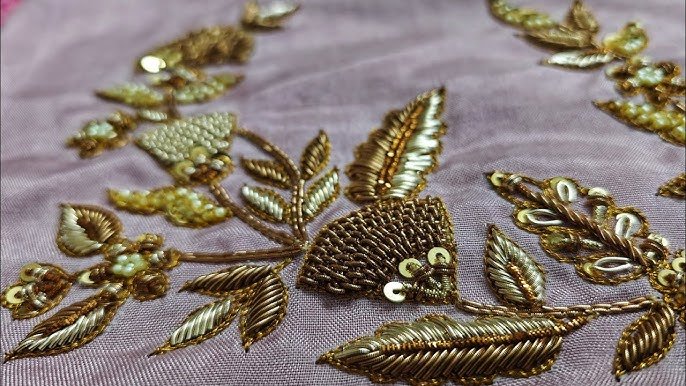
Zari signifies royalty, providing a regal appearance
Vibe:
Zari consists of metallic threads (gold/silver). Zardori is a grand and heavy embroidery style that incorporates metallic threads along with beads, pearls, and stones.
Technique:
It features solid chain stitches on luxurious fabrics such as silk and velvet.
Features:
It resembles shiny metallic threadwork, showcasing patterns like floral vines, peacocks, elephants, and intricate designs. It is complemented by heavy embellishments of sequins or stones, making it perfect for bridal wear, wedding functions, and formal evening events.
3) Gota Pati (Jaipur/Rajasthan)
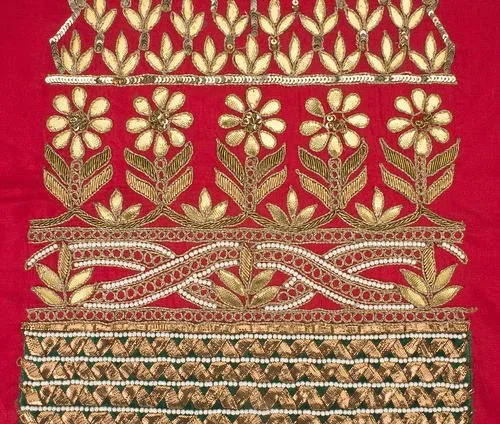
Gota Pati is specifically rooted in Jaipur, Rajasthan, adding a festive sparkle to the region.
Vibe:
This embroidery consists of two distinct types: Gota and Patti. It employs a unique technique involving small metallic ribbons (Gota).
Technique:
The Metallic Ribbon is cut directly from the surface, not from its woven
Features:
The design technique involves applying reflective shiny strips of material to the surface of the fabric, allowing for a variety of shapes such as floral patterns, leaves, and geometric designs. This creates a visually striking effect, especially when incorporating metallic leaf shapes or geometric arrangements. Such designs are perfect for festive occasions, including Diwali, Eid, Haldi/Mehandi ceremonies, or even light wedding wear, enhancing the celebratory atmosphere with their eye-catching brilliance.
4) Phulkari (Punjab)
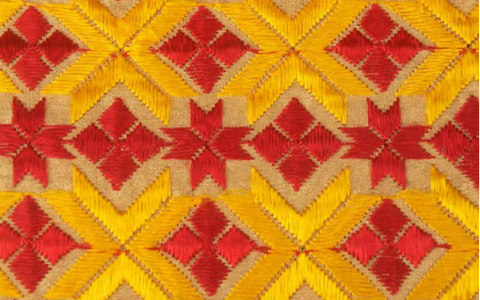
Phulkari embroidery originates from Punjab. The term “Phulkari” translates to “flower work.” It appears vibrant and bold.
Vibe:
The embroidery is performed on fabrics such as Khaddar/Khadi, utilizing colorful threads. It is predominantly observed on dupattas or shawls.
Technique:
The technique involves a draining stitch combined with reverse-side embroidery.
Features:
The embroidery features Holbein stitch with dense reverse embroidery in a garden style, covering the entire fabric. It typically showcases large floral or geometric designs, making it ideal for Lohri, Baishakhi, cultural events, and vibrant daytime kurta sets.
5) Kantha (West Bengal)
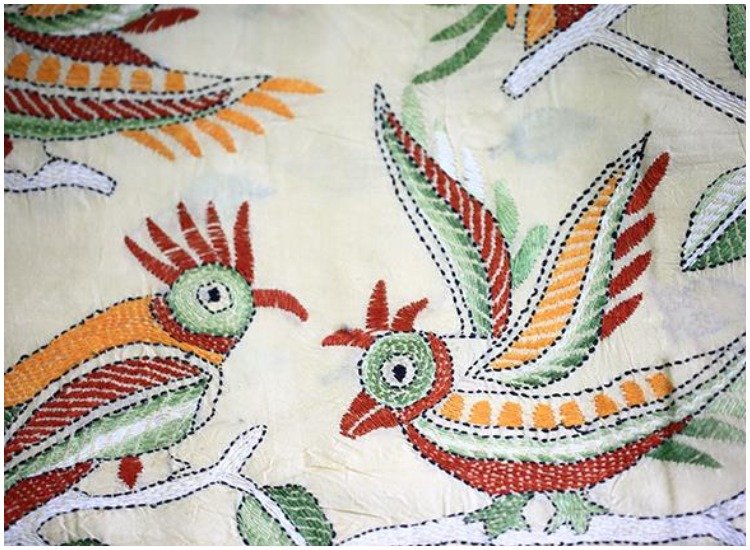
Kantha embroidery is derived from West Bengal. This style is sustainable and tells a story. It is simple yet appears artistic.
Vibe:
Running stitches are applied to old fabric, creating quilted layers that transform the material. Each design narrates its own story.
Features:
The foundation of Kantha is a simple running stitch. Its patterns often depict scenes from mythology, nature, animals, or abstract prints. It is perfect for Indo-Western co-ords, casual kurtas, and accessories.
What your outfit conveys depends on the embroidery you select, and the story begins.
Follow us on Instagram
FAQ
-
Which embroidery is best for marriage?
For marriage, Zari, Aari & Gotapati work are the best. This embroidery style gives a royal look.
-
For daily wear, which embroidery is best?
For daily wear, Chickankari or else light Kantha work looks good. It is lightweight and mostly used on cotton fabric.
-
How to identify original hand embroidery?
Original hand embroidery has fine detailing, irregular hand stitching, and high craftsmanship.
Hand embroidery is a little bit expensive, and it takes a lot of time. -
How to choose fabric during the purchase of embroidery cloth?
For daily wear, go for cotton or linen. Festive wear clothing like silk, velvet, chiffon, or georgette fabric looks beautiful.
-
Which embroidery is trending nowadays in 2026?
Chikankari for Casual Wear
Aari works for a designer outfit.
Zardori for bridal fashion is trending embroidery.