In the current market, the ethnic wear sector is expanding rapidly. The premium kurta set category consistently provides substantial profits for boutique owners.
For boutique owners, there are significant business opportunities available, as premium kurta sets offer higher profit margins compared to other ethnic wear. Additionally, they help establish a premium image for the boutique.
What makes premium kurta sets a higher-margin category?
In a premium kurta set, customers receive a “complete fashion solution.”
What does a customer receive with a premium kurta set?
- Co-ordinate Styling
- Better Fabric Quality
- Designer Detailing
- Comfortable Fitting
- Occasion-Ready Look
| PRODUCT TYPE | AVERAGE MARGIN |
| Basic cotton Kurta set | 20% – 30% |
| Printed Kurta set | 35% – 45% |
| Premium Kurta set | 50% – 70%+ |
The premium collection draws in repeat customers who prioritize quality over price.
How is the kurta set designed to appear premium?
Each premium kurta set justifies its pricing. Boutique owners should concentrate on delivering genuine value
1)Premium fabrics encompass the following:
- Muslin
- Chendri
- Linen Blend
- Modal Silk
- Organza Detailing
- Fine Cotton
Softness, comfort, and finishing are crucial factors in purchasing decisions.
2)DETAILED WORKMENSHIP
Premium buyers value intricate handwork details:
- Hand Embroidery
- Sequence Work
- Zari Work
- Mirror Work
- Thread Work
- Block Print
3)COORDINATE STYLING
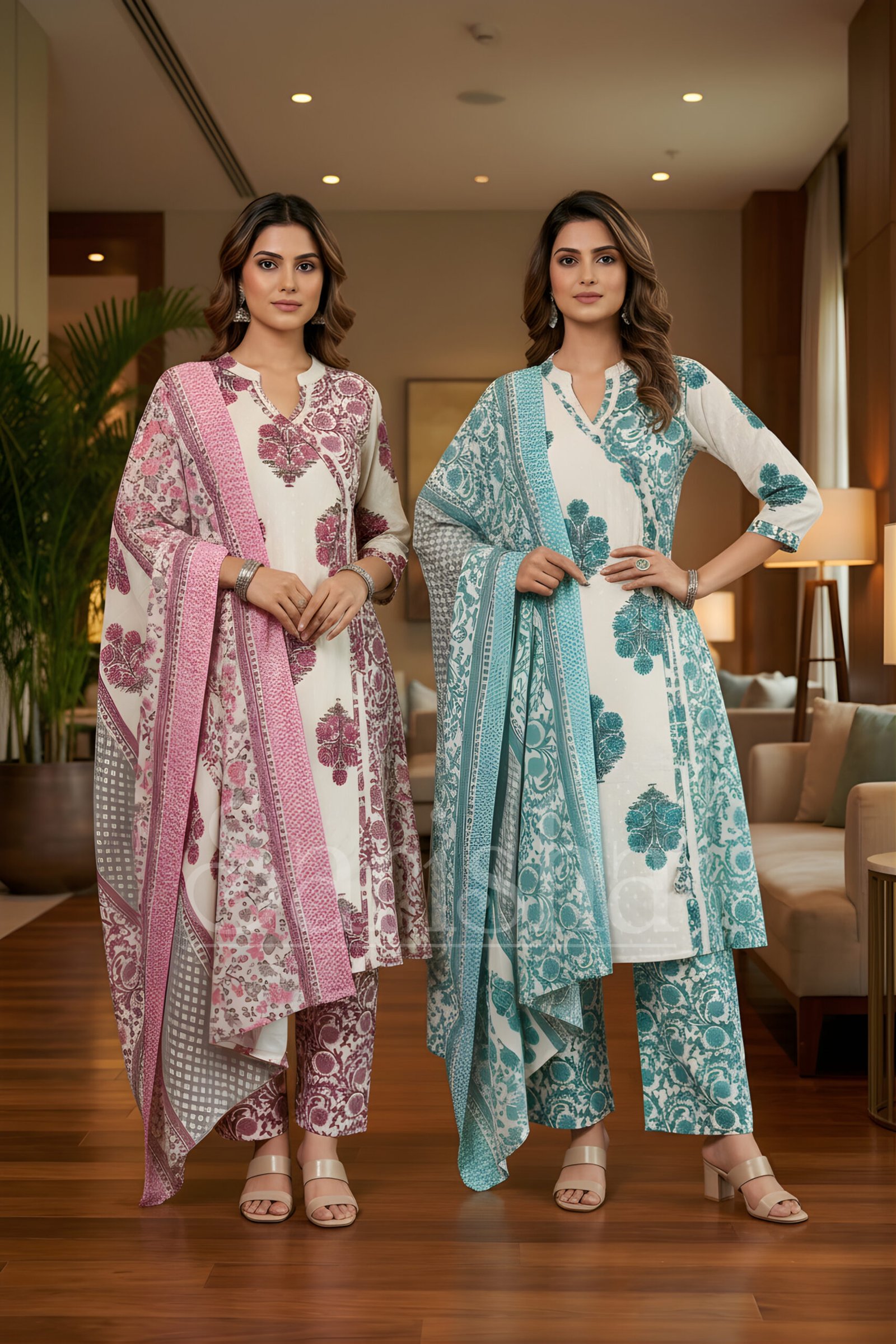
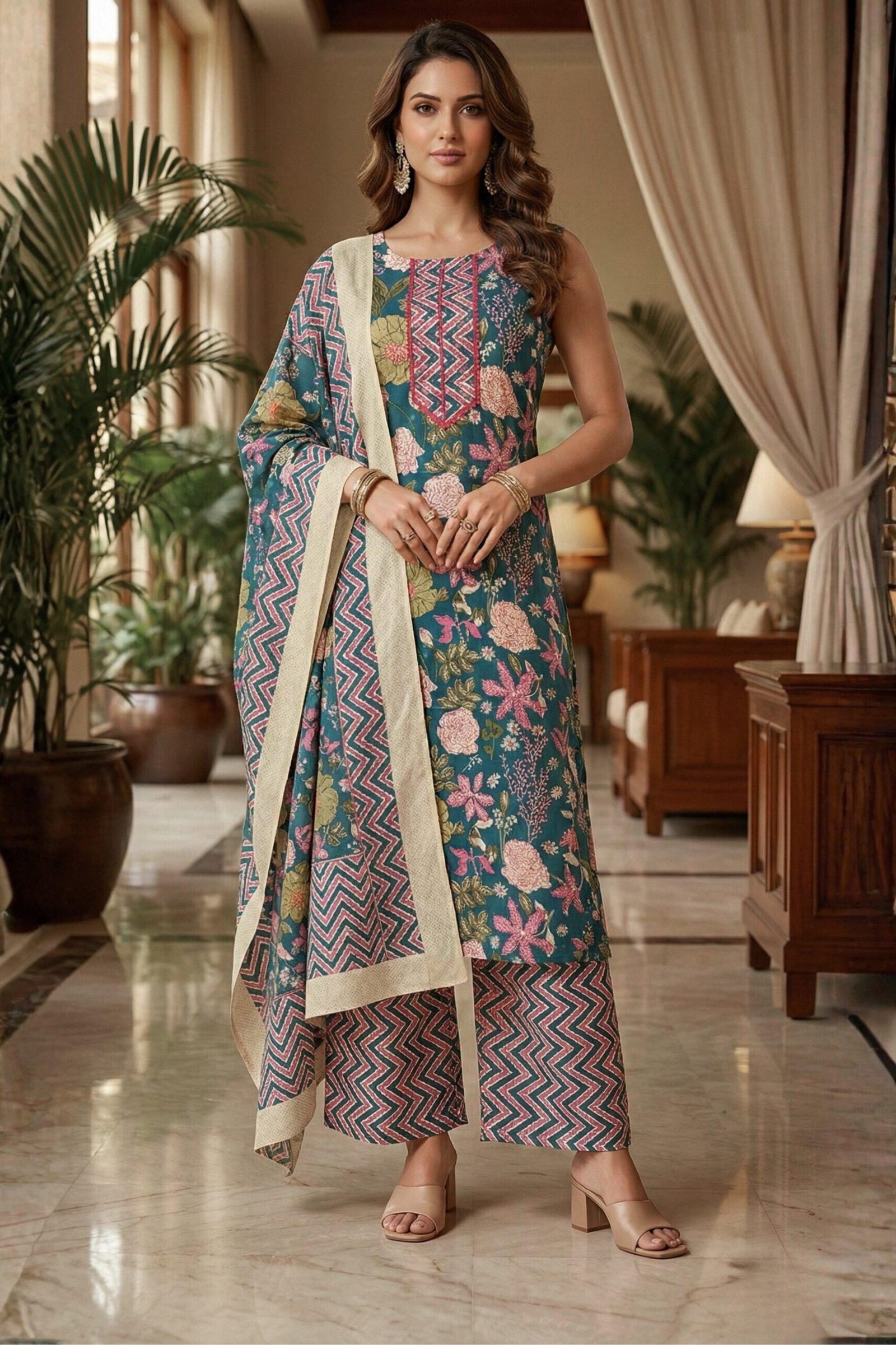
A three-piece kurta set (Kurta + bottom + Dupatta) provides customers with a complete appearance.
This outfit is ideal for:
- Festivals
- Office Attire
- Family Functions
- Small Weddings
- Traveling
- Brunch Outings
4)LIMITED DESIGN
Limited availability fosters a sense of exclusivity.
When only one design is offered, customers are likely to make swift decisions.
Scarcity leads to increased demand.
How can Boutique Owners Enhance Profitability?
1)Avoid Excess Inventory
Emphasize Quality over Quantity
Improved Strategy:
- Limited yet Premium Stock
- Introduce Trend-Inspired Collections
- Frequently Rotate Your Inventory
- Gather Limited Editions
2)Build premium boutique Identity
To cultivate a premium image:
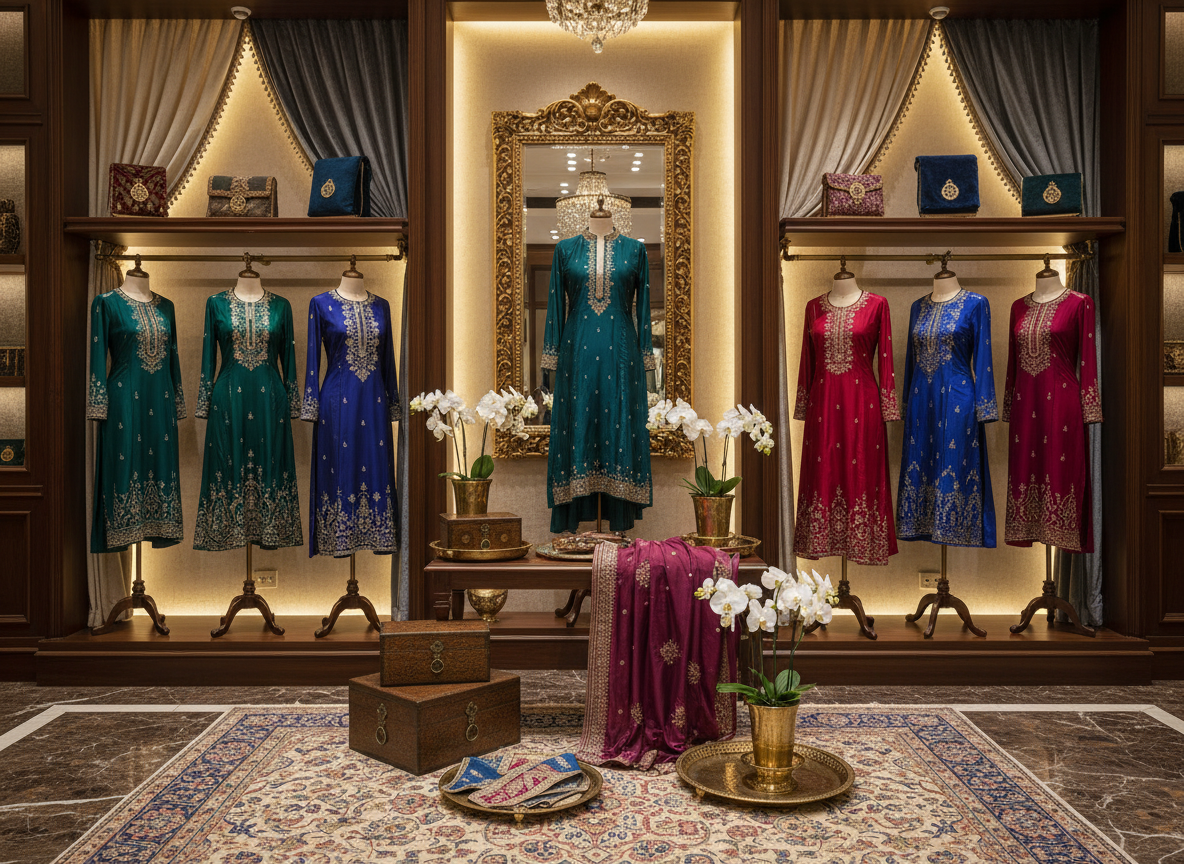
- Utilize Elegant Displays
- Opt for Premium Packaging
- Maintain Personalized Customer Service
- Employ Professional Photography
- Emphasize Fabric and Detailing
3)Market Based on Occasion
Do not promote products solely based on price or product
Develop a Collection:
- Festive Collection
- Office Wear Edits
- Wedding Guest Attire
- Summer Cotton Luxury
- Travel-Friendly Apparel
4)How to Utilize Social Media Effectively?
Premium Kurta Sets Perform Exceptionally Well on Instagram and Facebook
Suggested Post Ideas:
- Styling Reels
- Fabric Close-Up Videos
- “How to Style” Content
- Festive Lookbook
- Customer Reviews
5)Ensure Size Inclusivity
Premium Buyers Prefer Better Fitting
Provide Offers:
- XS to 2XL
- Plus-Size Options
- Alteration Services
What mistakes should boutique owners avoid?
Pricing is a significant factor in competition: Offering discounts to customers frequently diminishes the boutique’s prestigious image.
Lack of fabric knowledge: Employees who interact with customers must possess a solid understanding of fabrics.
Acquiring slow-moving inventory: Fashion trends evolve rapidly. It is essential to maintain an updated stock.
Weak online presence: Platforms like Instagram and WhatsApp are crucial for establishing an online identity.
How can one price a premium kurta set effectively?
Consider the following before determining the price:
- Cost of the product
- Packaging expenses
- Marketing costs
- Alteration services
- Boutique positioning
- Competitor pricing
Don’t underprice the premium product. High pricing also creates exclusivity.
Final thoughts
For boutique proprietors, a high-end kurta set represents not merely a product but also a lucrative opportunity.
Boutique proprietors emphasize:
- Quality
- Exclusive Collection
- Premium Customer Experience
- Establishing a Robust Online Presence
This approach can assist in cultivating long-term customer relationships and achieving greater profit margins.